
The Pros and Cons of Growing Plants in Water
(Yes, Even in a Vase)
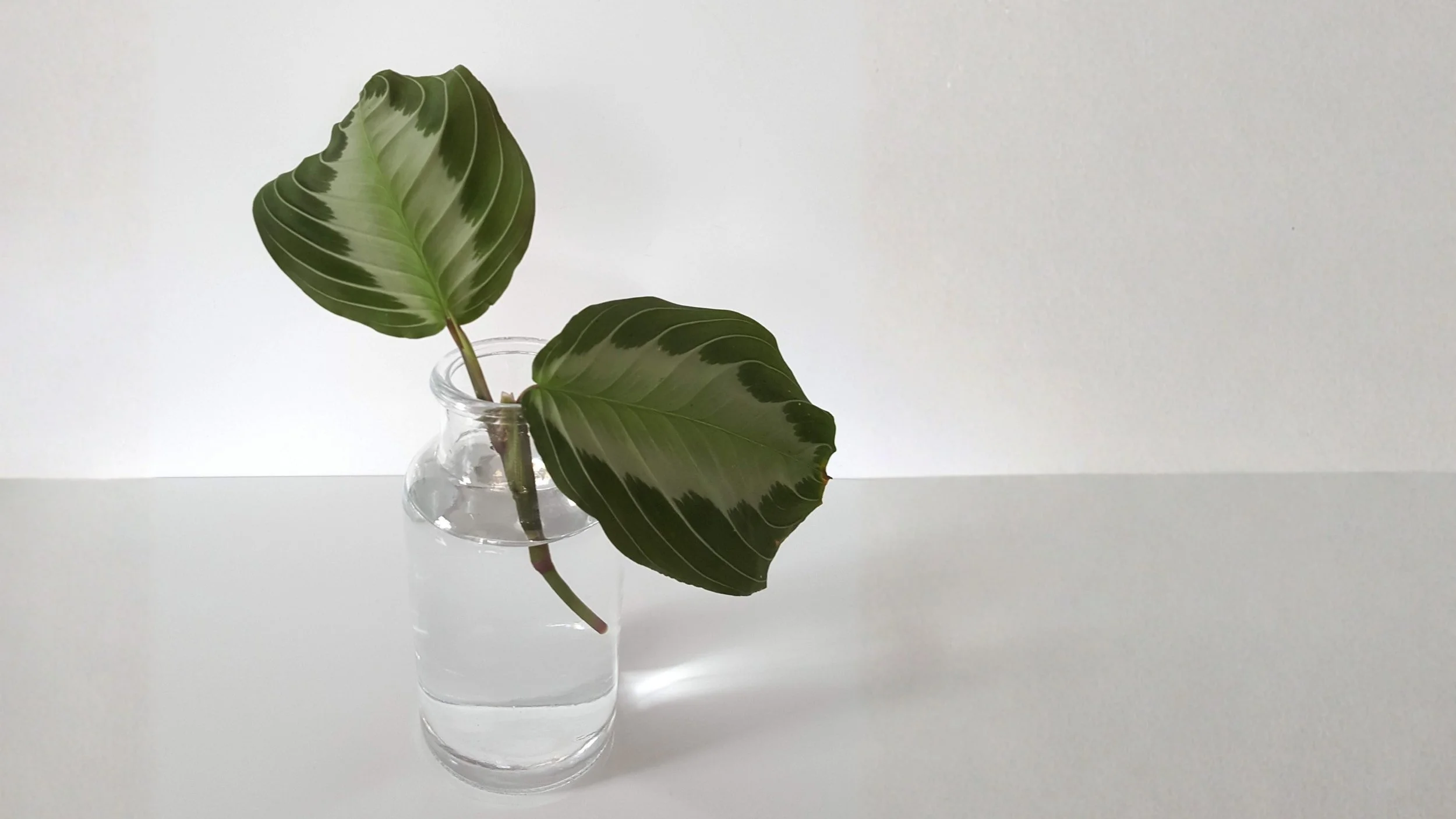
Growing plants in water - whether in a minimalist glass vase on the kitchen bench or as a curated propagation station - has surged in popularity over the past decade. It’s everywhere on Instagram and YouTube. We even see larger commercial nurseries producing plant-in-water products by the thousands (mostly without any correct care instructions!).
For plant lovers who appreciate clean lines, visible roots, and a low-fuss routine, water culture offers undeniable appeal. But is it truly “easier”? Is it sustainable long term? And how does it compare biologically to growing in soil or semi-hydro systems like LECA or Mineral Blend? Let’s take a dive into the real pros and cons of growing plants in water, especially for home growers.
What Does “Growing in Water” Actually Mean?
When most people say they’re “growing plants in water,” they usually mean one of three things:
Propagation in water (temporary rooting stage)
Long-term vase growing (roots permanently submerged in water)
Passive hydroponic or semi-hydro systems (e.g., LECA with a reservoir or Mineral Blend)
This article focuses primarily on the second category: long-term growth in plain water, such as a cutting of Epipremnum aureum trailing from a glass jar.
The Pros of Growing Plants in Water
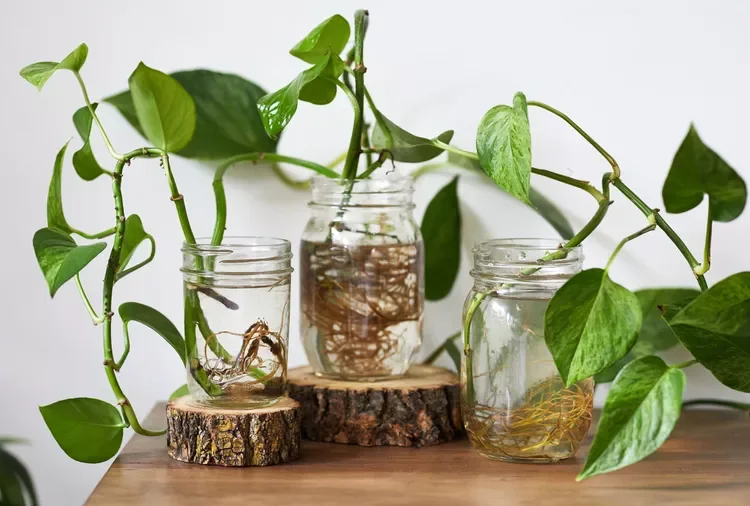
Epipremnum areum growing in water [photo credit: Adelyn Duchala]
It’s Visually Stunning
Let’s start with the obvious. Clear glass vessels showcasing architectural roots can be beautiful. Species like Monstera deliciosa and Philodendron hederaceum develop creamy white root systems that add sculptural interest to a space.
Water growing suits modern, minimalist interiors and allows you to observe root development in real time - something soil simply hides. For design-driven growers, this alone is a compelling reason.
No Soil = No Soil Pests
One of the biggest frustrations in houseplant care is fungus gnats. Soil-based systems create the moist organic environment they thrive in. Growing in water eliminates:
Fungus gnats
Soil mites
Root mealybugs (in most cases)
Soil-borne pathogens like certain fungi
For growers managing large collections - or anyone who has battled gnat infestations - this is a major benefit.
You Can See Root Health
In soil, root rot often goes unnoticed until foliage declines. In water, root issues are visible immediately. Healthy water roots are:
White to pale cream
Firm
Slightly translucent
If roots begin to turn brown and slimy, you can intervene early - trimming damaged tissue and refreshing the water. That level of transparency gives growers a sense of control.
It’s Great for Certain Species
Some plants are naturally adapted to fluctuating water conditions, especially aroids from riparian habitats. Good candidates for long-term water growth include:
Epipremnum aureum
Philodendron hederaceum
Syngonium podophyllum
Tradescantia zebrina
These species readily produce “water roots” — roots anatomically adapted to submerged, oxygen-poor conditions.
Watering Becomes Simple
Overwatering is one of the most common causes of plant death. Ironically, growing in water eliminates the guesswork around watering schedules. There’s no:
Soil moisture testing
Debating when to water
Fear of drought stress
You simply top up or replace the water. For beginners — or busy plant parents — this can reduce anxiety dramatically.
The Cons of Growing Plants in Water
Now let’s move into the less Instagram-friendly realities.
Oxygen Is Limited
Roots need oxygen to respire. In soil, air pockets provide oxygen between watering cycles. In water, oxygen is dissolved - and in much lower concentrations. This creates several challenges:
Slower growth
Increased risk of rot
Lower nutrient uptake efficiency
Without aeration (as in hydroponic systems), plants grown in stagnant water rely entirely on passive oxygen diffusion. This works for hardy species but is far from optimal for most.
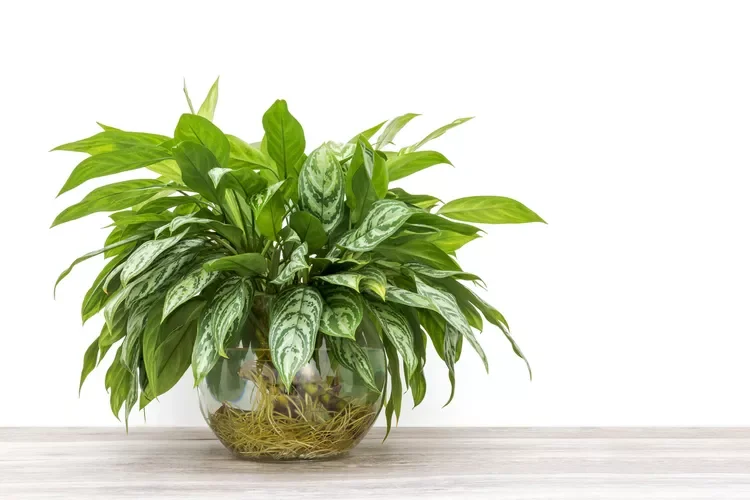
Aglaonema commutatum growing in water [photo credit: dropStock]
Nutrient Deficiency Is Common
Water alone contains no nutrients. In soil, organic matter and microbial activity create a nutrient exchange system. In plain tap water, plants quickly exhaust stored reserves. Long-term water growers must add:
Diluted hydroponic fertiliser
Or regular balanced liquid nutrients
However, fertiliser in stagnant water can:
Increase algae growth
Burn delicate water roots
Alter pH unpredictably
Maintaining correct nutrient balance requires more knowledge than many assume.
Growth Is Often Slower
While plants survive in water, they rarely thrive compared to optimal soil or semi-hydro conditions. You may notice:
Smaller leaves
Slower vine extension
Reduced fenestration in species like Monstera deliciosa
Fewer aerial roots
Plants grown in water often remain in a semi-propagative state rather than transitioning into robust vegetative growth.
Structural Instability
Water provides no anchoring medium. Large-leaf plants can become top-heavy and unstable in vases. Over time, root mass increases but has nothing to grip, which can stress stems. This is especially problematic for thicker-stemmed species like Monstera deliciosa or Syngonium podophyllum once mature.
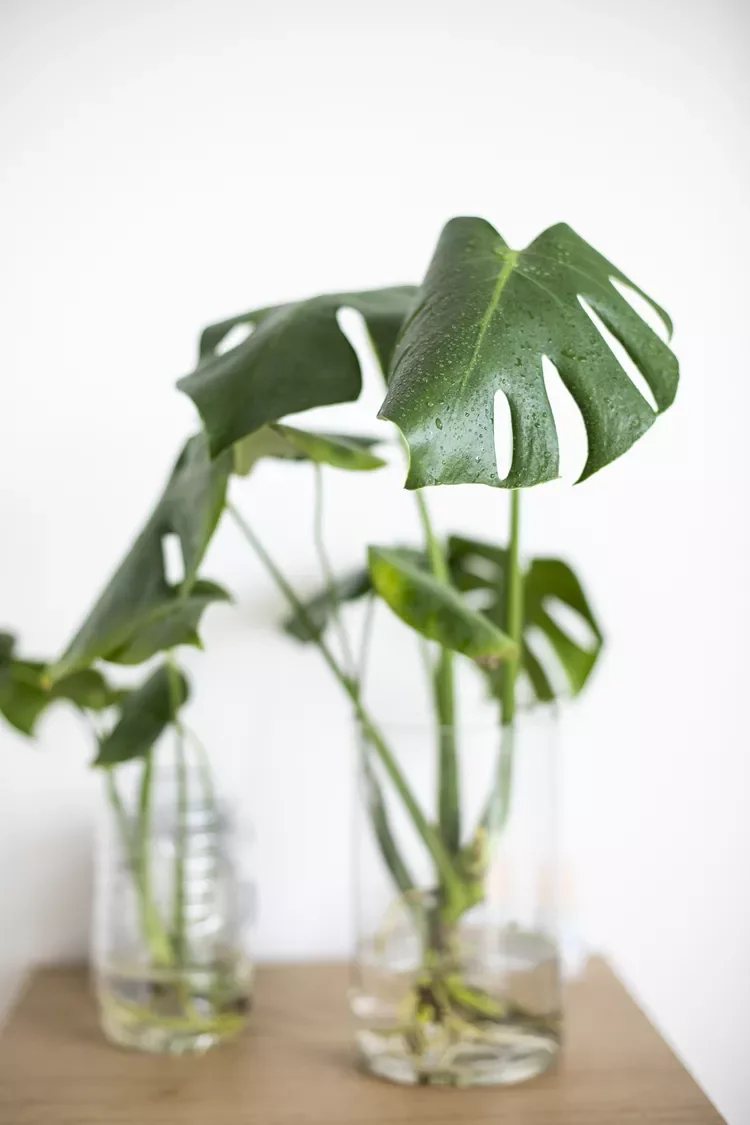
Monstera delicious growing in water [photo credit: DuKai]
Algae Growth Is Inevitable
Light + water + nutrients = algae. Clear glass vessels placed near bright light almost always develop green film over time. While mostly cosmetic, algae:
Competes for nutrients
Reduces oxygen availability
Can create odour
Regular vessel cleaning becomes part of the routine.
Transitioning Back to Soil Can Be Stressful
Water roots and soil roots are anatomically different. Water roots:
Are thinner
Have fewer root hairs
Adapted to constant moisture
When moved to soil, they often:
Desiccate
Rot
Require a full root system reset
This is why cuttings that “lived happily in water for a year” sometimes collapse when potted up.
The Biology Behind It
Plants evolved in soil environments (with some aquatic exceptions). Roots rely on oxygen for cellular respiration, which fuels nutrient uptake. In water:
Oxygen availability is reduced.
Anaerobic bacteria can proliferate.
Root cortex tissue may become fragile.
Some species tolerate this well. Others don’t. Plants from seasonally flooded forests - like many aroids - can adapt by producing aerenchyma (air-filled root tissue). But this is still a stress adaptation, not necessarily an optimal condition.
When Growing in Water Makes Sense
Growing in water works well when:
✔ You want a decorative, temporary display
✔ You are propagating cuttings
✔ You prefer low-commitment plant care
✔ You’re growing forgiving species
✔ You enjoy the aesthetic of visible roots
It may not be ideal if:
✘ You want maximal growth
✘ You’re growing rare or slow plants
✘ You forget to change water regularly
✘ You expect soil-like performance
Practical Tips for Growing Plants in Water Successfully
If you decide to grow long-term in water, here are best practices:
1. Change Water Weekly
Prevents stagnation, bacterial buildup, and nutrient imbalance.
2. Use Opaque or Tinted Glass
Reduces algae growth dramatically.
3. Add Diluted Nutrients
Use hydroponic fertiliser at ¼ strength to avoid root burn.
4. Provide Bright, Indirect Light
Encourages stronger root systems and foliage.
5. Rinse Roots Gently During Water Changes
Removes biofilm buildup.
Soil vs Water vs Semi-Hydro
For context, here’s how they compare:
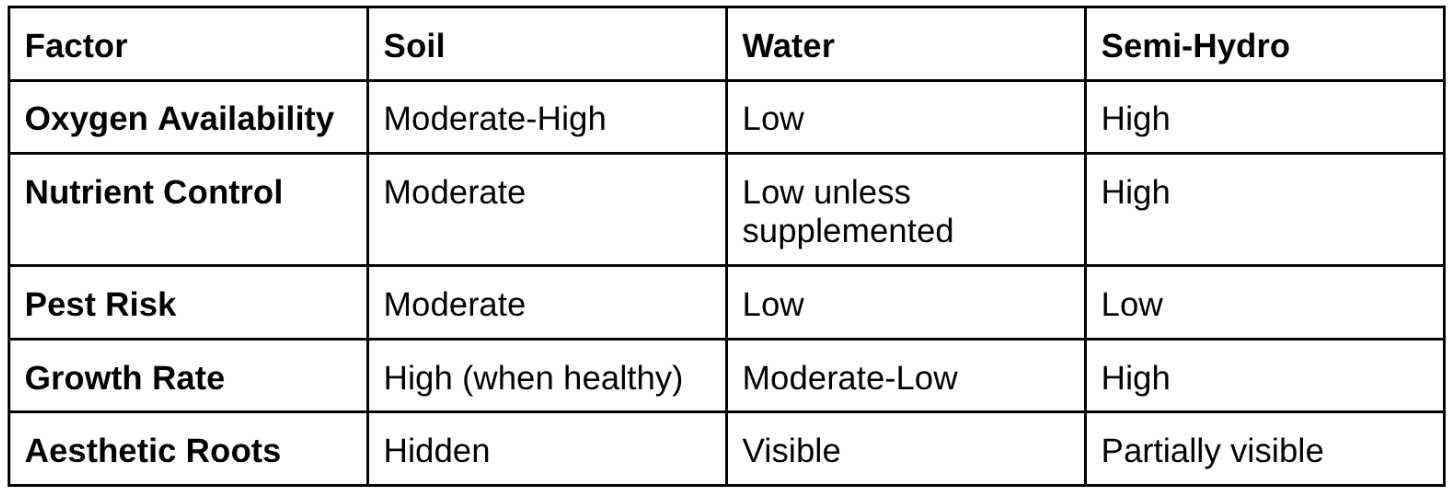
Water culture sits somewhere between propagation and true hydroponics. It’s the simplest form - but also the least controlled.
The Emotional Appeal
There’s something quietly satisfying about watching roots grow. It feels:
Clean
Contained
Low drama
Modern
For some growers, that simplicity outweighs the biological compromises. But it’s important to recognise that “easy” does not always equal “optimal.” If you’d like to ditch the downsides of traditional soil growing and try your hand at passive- or semi-hydroponic growing, we recommend using our premium Mineral Blend, which is a fool-proof way to do it without anything high tech. Or if you’d like to find out about growing in LECA and seeing experiments in all types of semi-hydro, check out our friend Nora, over at The LECA Queen.
Final Thoughts
Growing plants in water isn’t a gimmick - but it isn’t a miracle either. For hardy species like Epipremnum aureum and Philodendron hederaceum, long-term water growth can be stable and attractive. For more demanding plants, water often becomes a holding pattern rather than a thriving environment. If your goal is aesthetic enjoyment and simplicity, water growing can absolutely work. If your goal is maximum plant health, rapid growth, and strong root architecture, soil or semi-hydro systems typically outperform plain water. Like most plant care decisions, it depends on your priorities.
And perhaps that’s the real takeaway: plants don’t need perfection - they need consistency.