
The Real Science of Potting Media.
Why your plants care more about air than soil.
When we grow plants in pots, we’re not growing them in soil - we’re building an artificial root environment. In nature, roots experience:
oxygen pockets
fluctuating moisture
microbial interactions
mineral surfaces that hold nutrients
A potting mix must recreate all of that using particles instead of geology. Every medium affects four core properties:
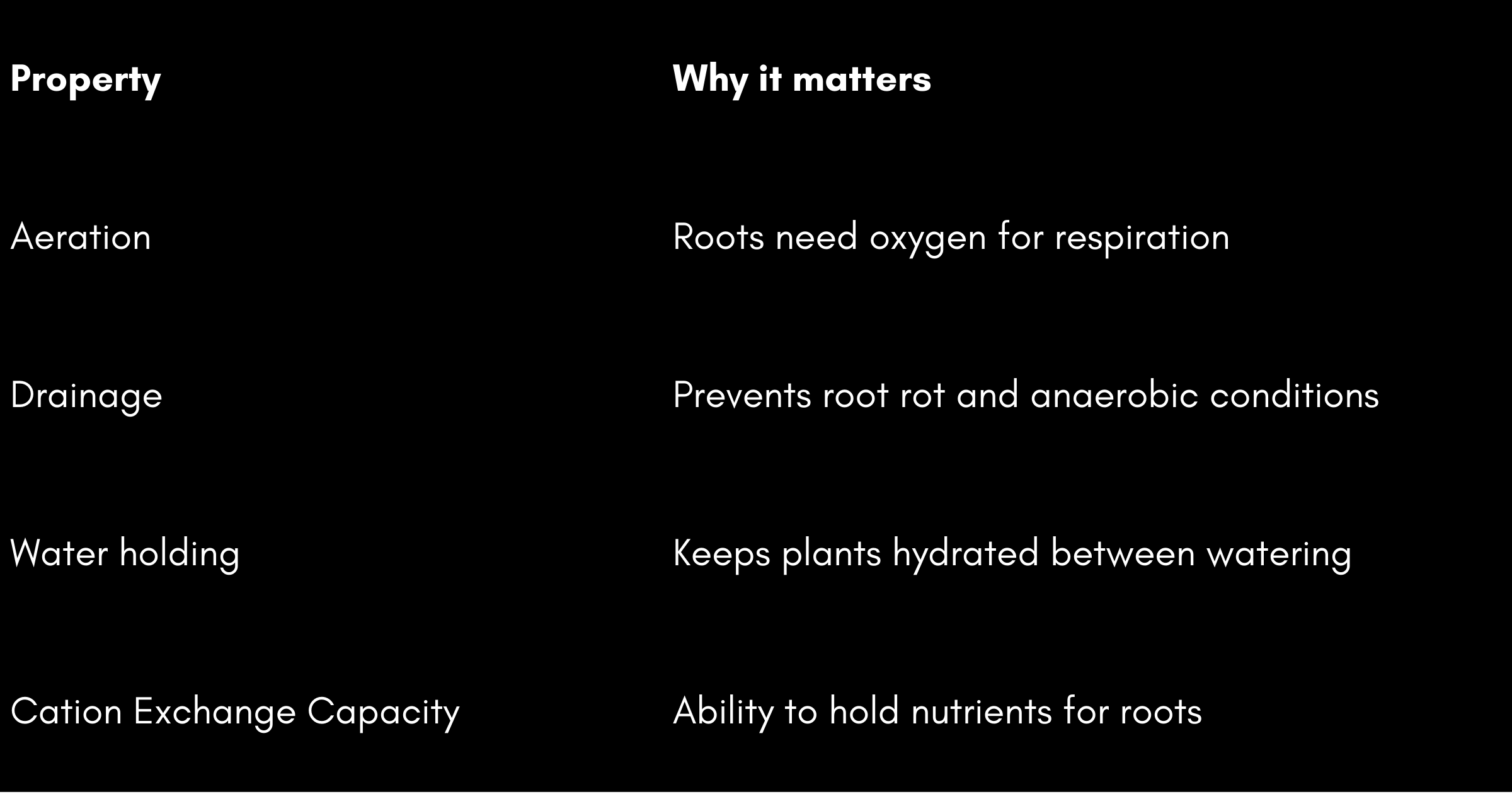
Cation Exchange Capacity (CEC) matters because nutrients like potassium, calcium, and magnesium exist as positively charged ions that attach to negatively charged particles in media, staying available longer to plants
No single material does everything well — which is why mixes exist.
Organic Media Components
These come from plants and slowly decompose over time.
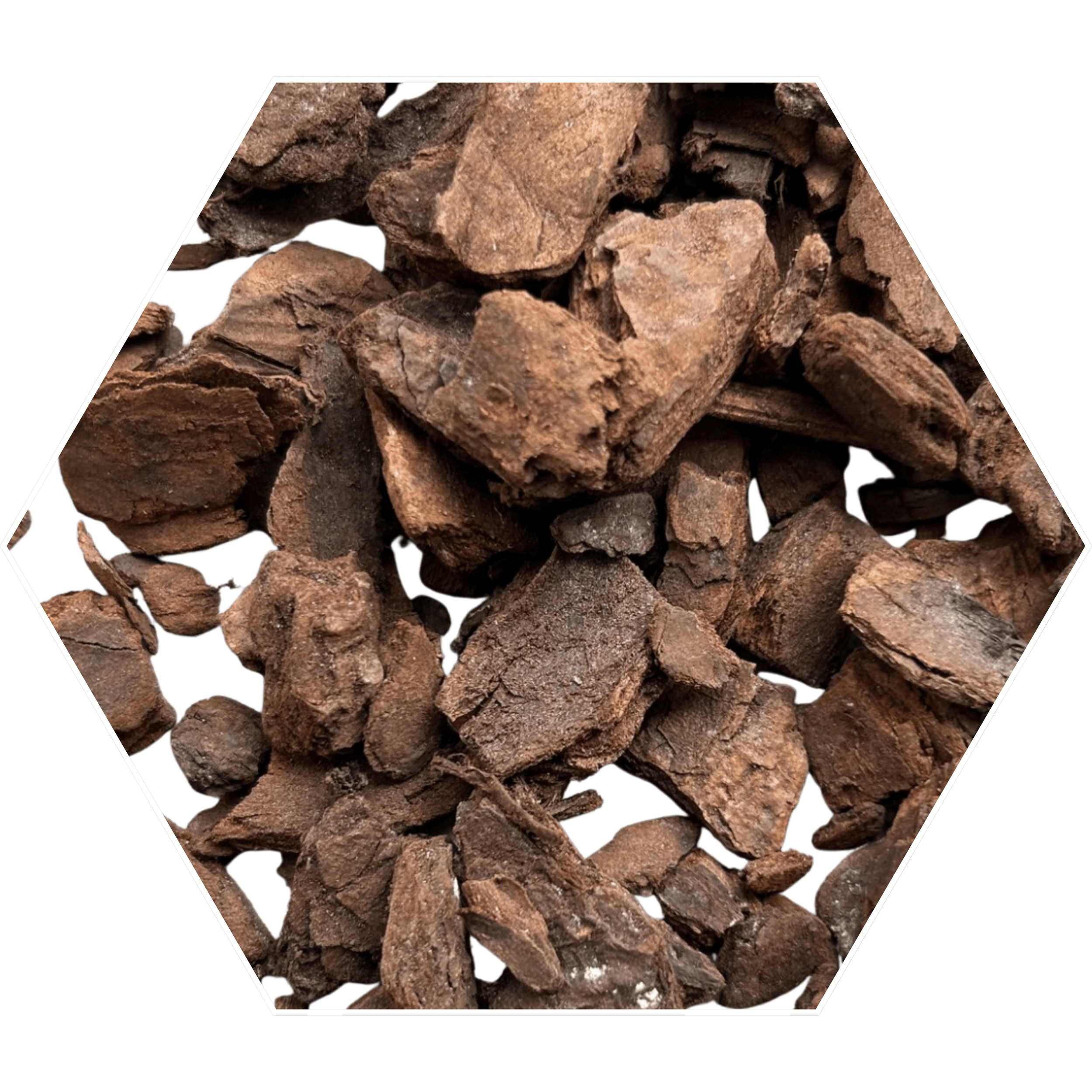
Orchid Bark (Pine Bark)
What it is: Composted or aged pine bark chunks.
Properties
Aeration: High
Drainage: High
Water retention: Low-Moderate
CEC: Moderate
Bark creates large air pockets, making it foundational for epiphytes and aroids. Commercial potting mixes often rely on composted bark as the structural backbone because it maintains air-filled porosity (about 15–20%) needed for healthy roots.
Benefits: Excellent oxygen availability; Slow decomposition; Encourages strong root branching
Drawbacks: Initially hydrophobic when dry; Can immobilize nitrogen during breakdown
Common combinations: Coco coir; Perlite; Charcoal; Pumice
Plants: Orchids; Hoyas; Aroids
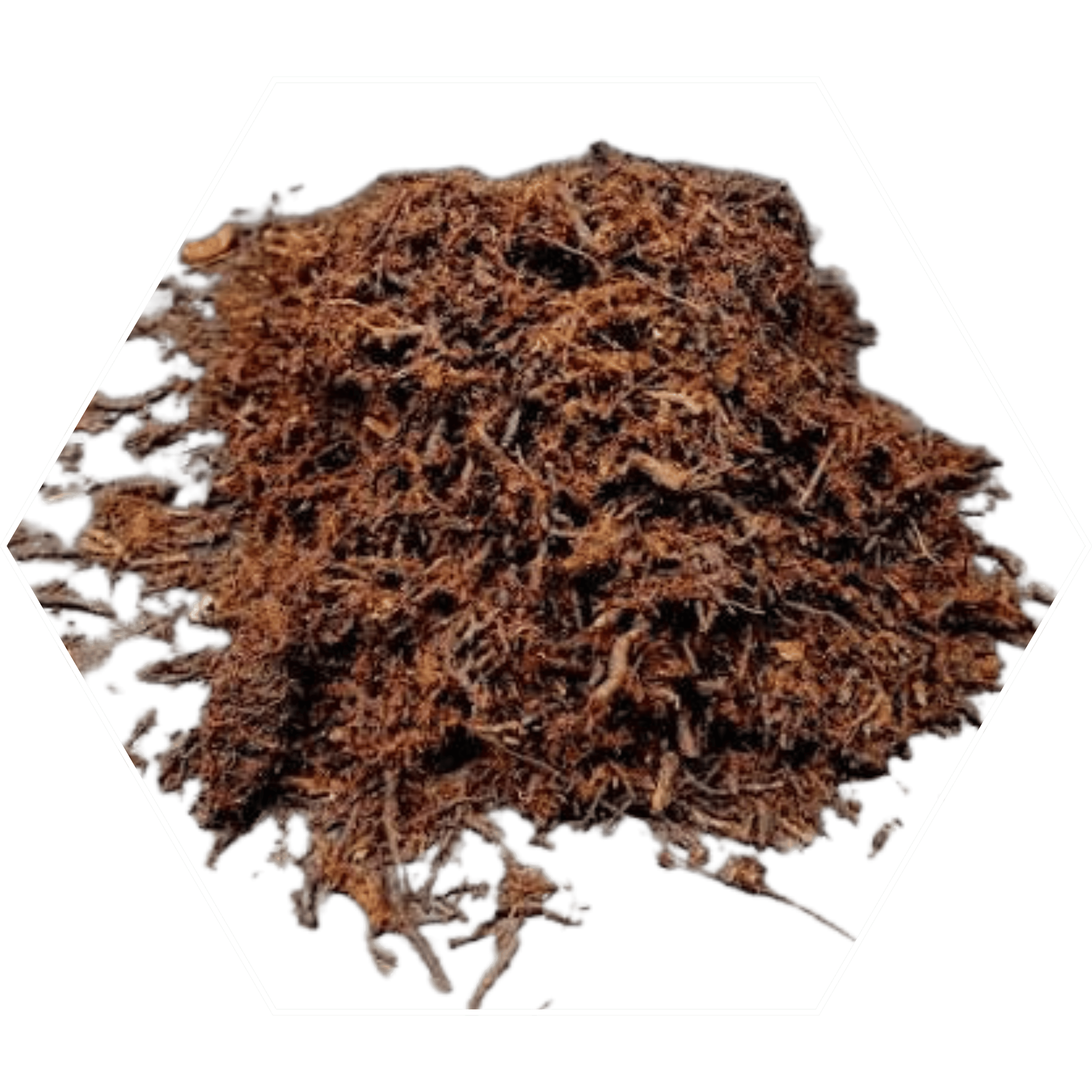
Tree Fern Fibre
What it is: Fibrous trunk material from tree ferns.
Properties
Aeration: High
Drainage: Moderate
Water holding: High
CEC: Moderate–high
Tree fern fibre behaves like a long-lasting sphagnum substitute.
Benefits: Exceptional root attachment; Extremely durable structure; Balanced moisture + air
Drawbacks: Expensive; Sustainability concerns depending on sourcing
Common mixes: Bark blends; Moss mixes for rare aroids
Plants: Epiphytes; Begonias; Anthuriums; Ferns; Hoyas
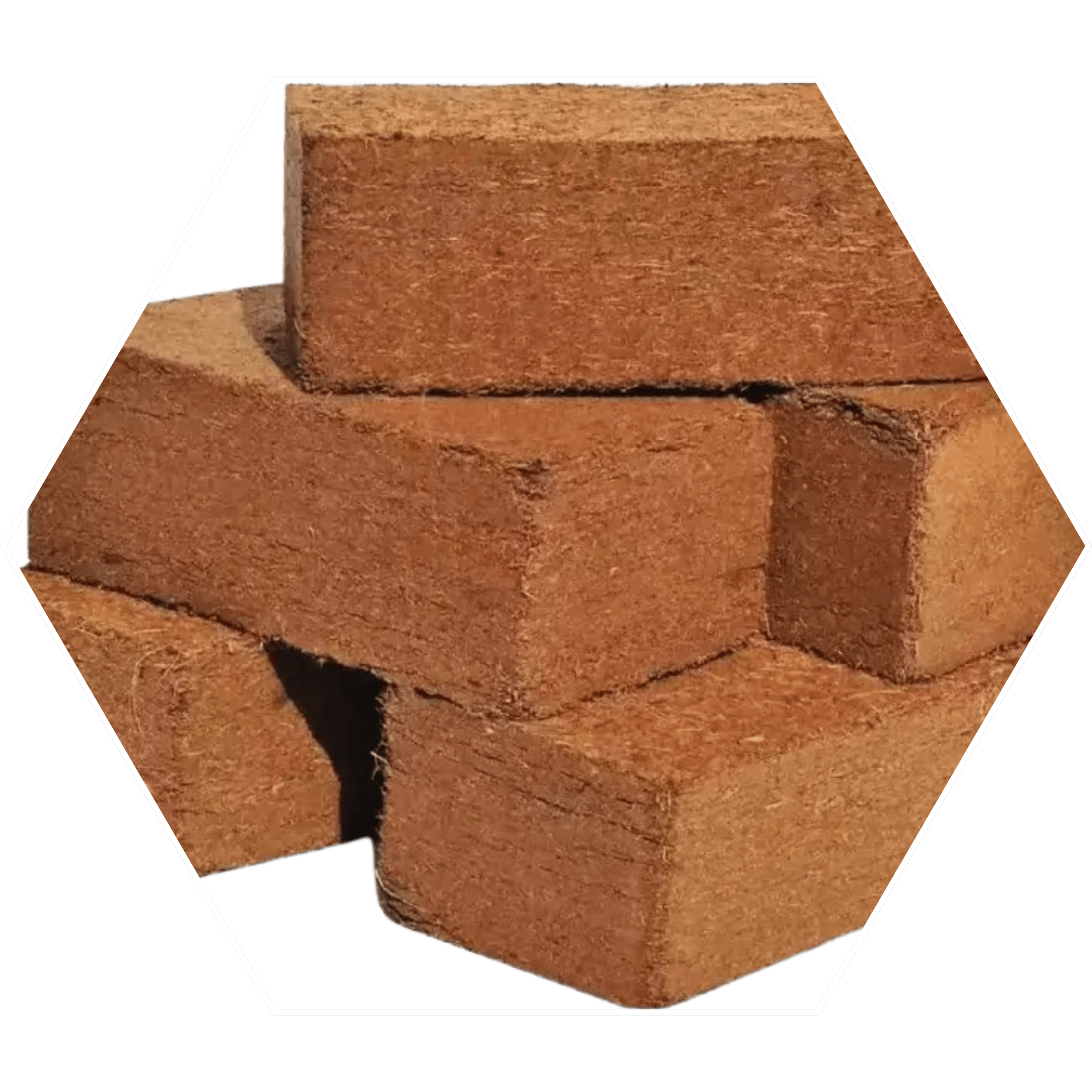
Coco Coir Brick (Unbuffered)
What it is: Coconut husk fibres compressed into bricks.
Properties
Water holding: High (~73–80% volume)
Aeration: Good
CEC: Moderate (39–60 meq/100g)
Benefits: Renewable alternative to peat; Re-wets easily (not hydrophobic); Good root development
Drawbacks: Often high sodium/potassium initially; Needs buffering; Can go mouldy if stored wet
Best combined with: Perlite; Bark; Pumice
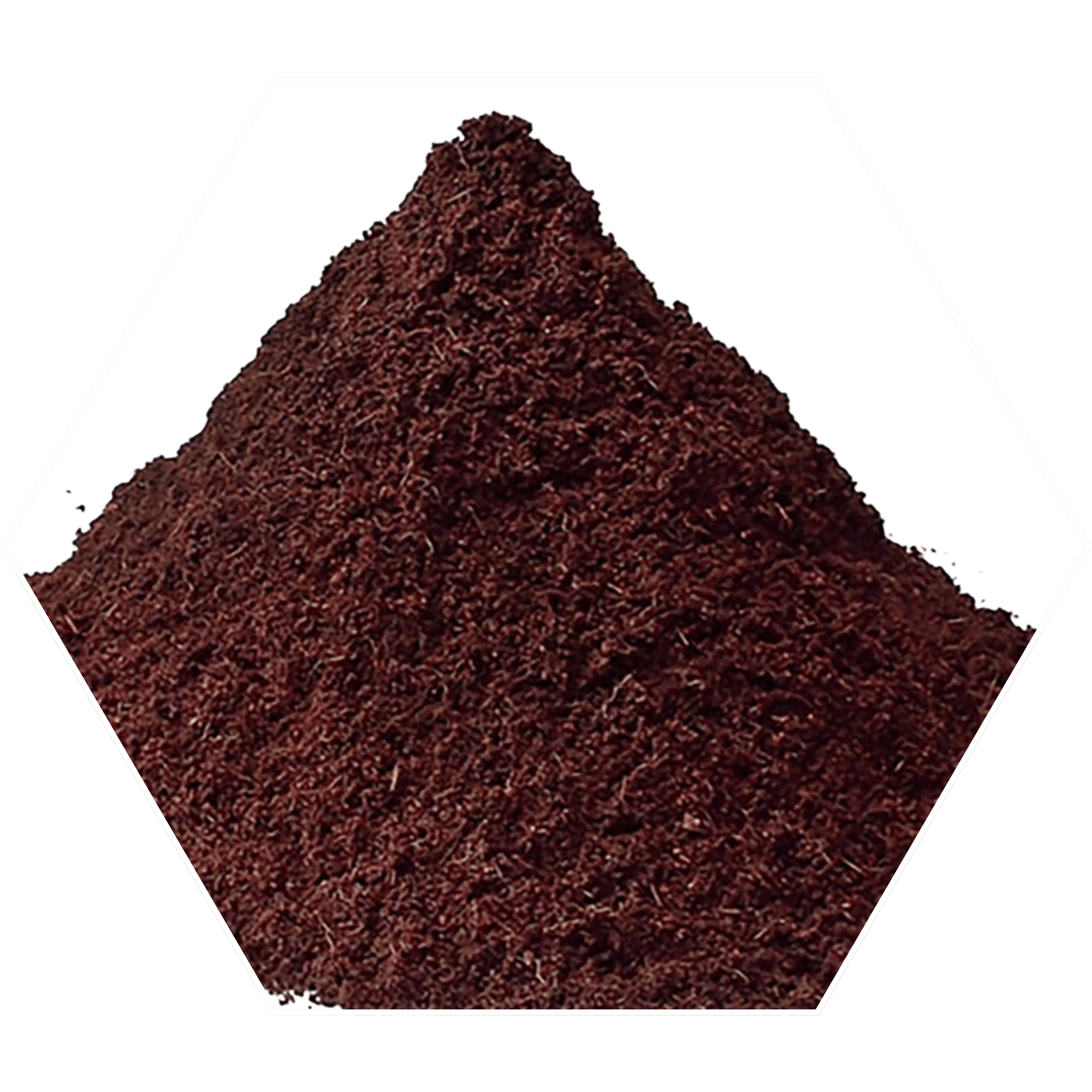
Buffered Coco Peat
Same material - but calcium/magnesium-treated. Buffering replaces sodium ions, preventing nutrient lockout. Growers prefer buffered, as unbuffered coir can steal calcium and magnesium from plants. It also has the advantage of not requiring rehydrating prior to use, removing the risk of mould.
Ideal for: Seed raising; Cuttings; General houseplant mixes, such as our Begonia Blend and Hoya Blend.
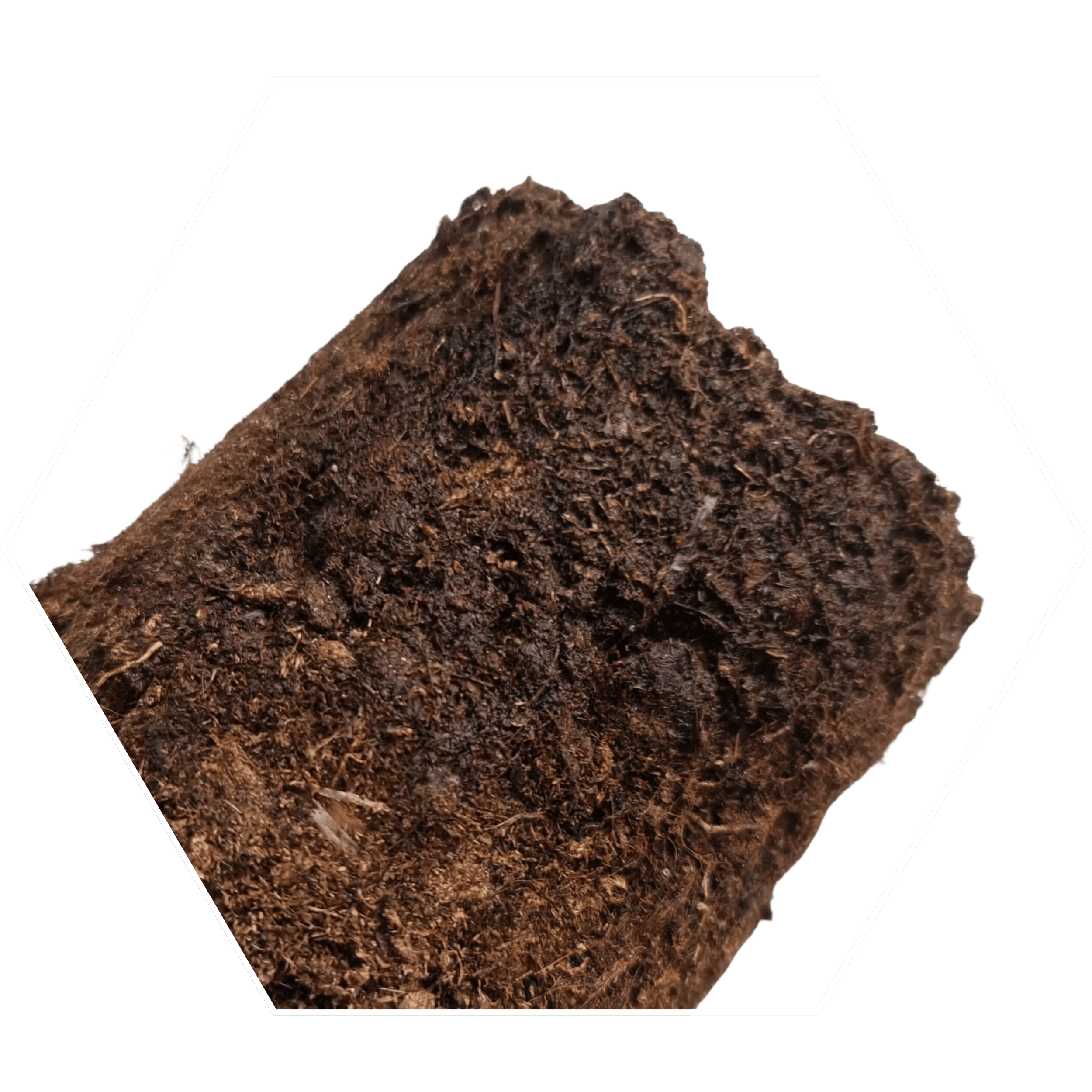
Peat Moss (Sphagnum Peat)
The traditional backbone of potting mixes, and commonly forms 30–60% of commercial media.
Properties
Water holding: Extremely high (15–30× weight)
CEC: High
pH: Acidic (3.5–4.0)
Benefits: Excellent nutrient retention; Stable structure; Predictable performance
Drawbacks: Environmental concerns; Hydrophobic when dry; Requires lime adjustment
Plants: Seedlings; Bedding plants; Tropical foliage
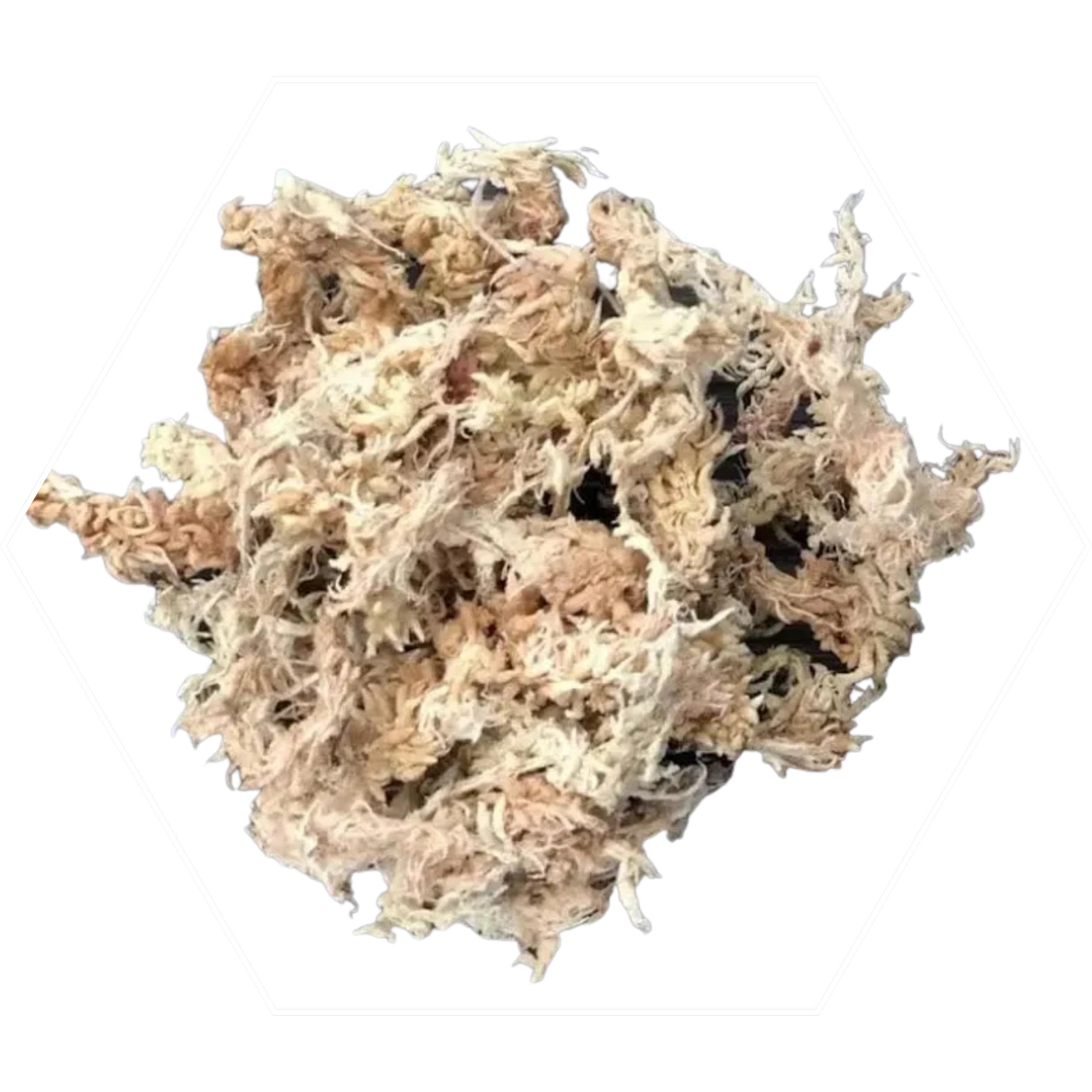
Sphagnum Moss (Long Fibre)
Different from peat - this is the intact moss.
Properties
Aeration: Good
Water retention: Very high
CEC: Moderate
Benefits: Antimicrobial properties; Ideal for rooting cuttings; Excellent moisture buffer
Drawbacks: Can stay too wet; Compacts over time
Best uses: Propagation boxes; Mounts; Rehab plants
Mineral / Inorganic Media
These don’t decompose - they control structure.
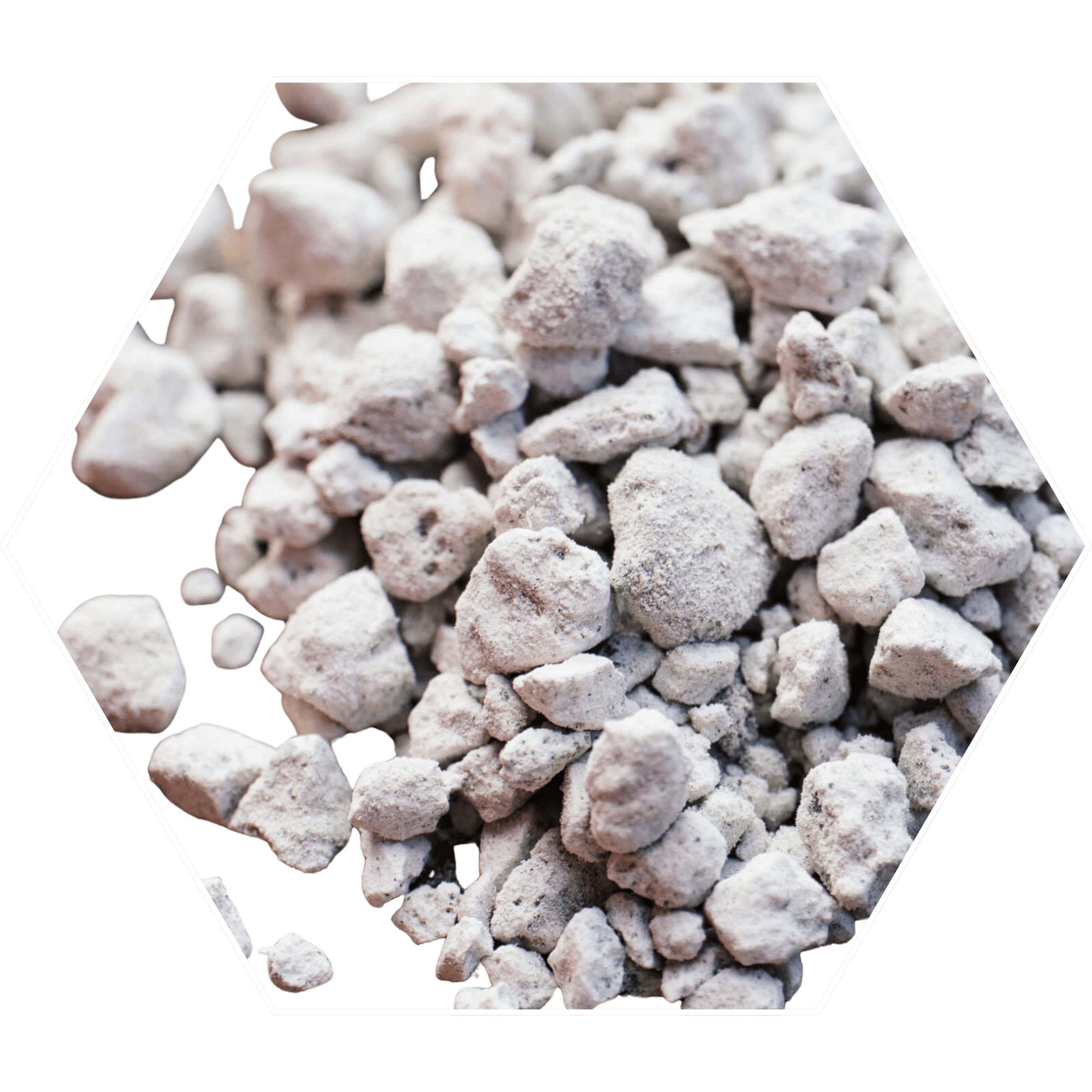
Perlite
Expanded volcanic glass, often mixed with peat for rooting media.
Properties
Aeration: Excellent
Drainage: Excellent
CEC: Near zero
Benefits: Prevents compaction; Lightweight; Ideal for cuttings
Drawbacks: Floats upward in mixes; Dust hazard
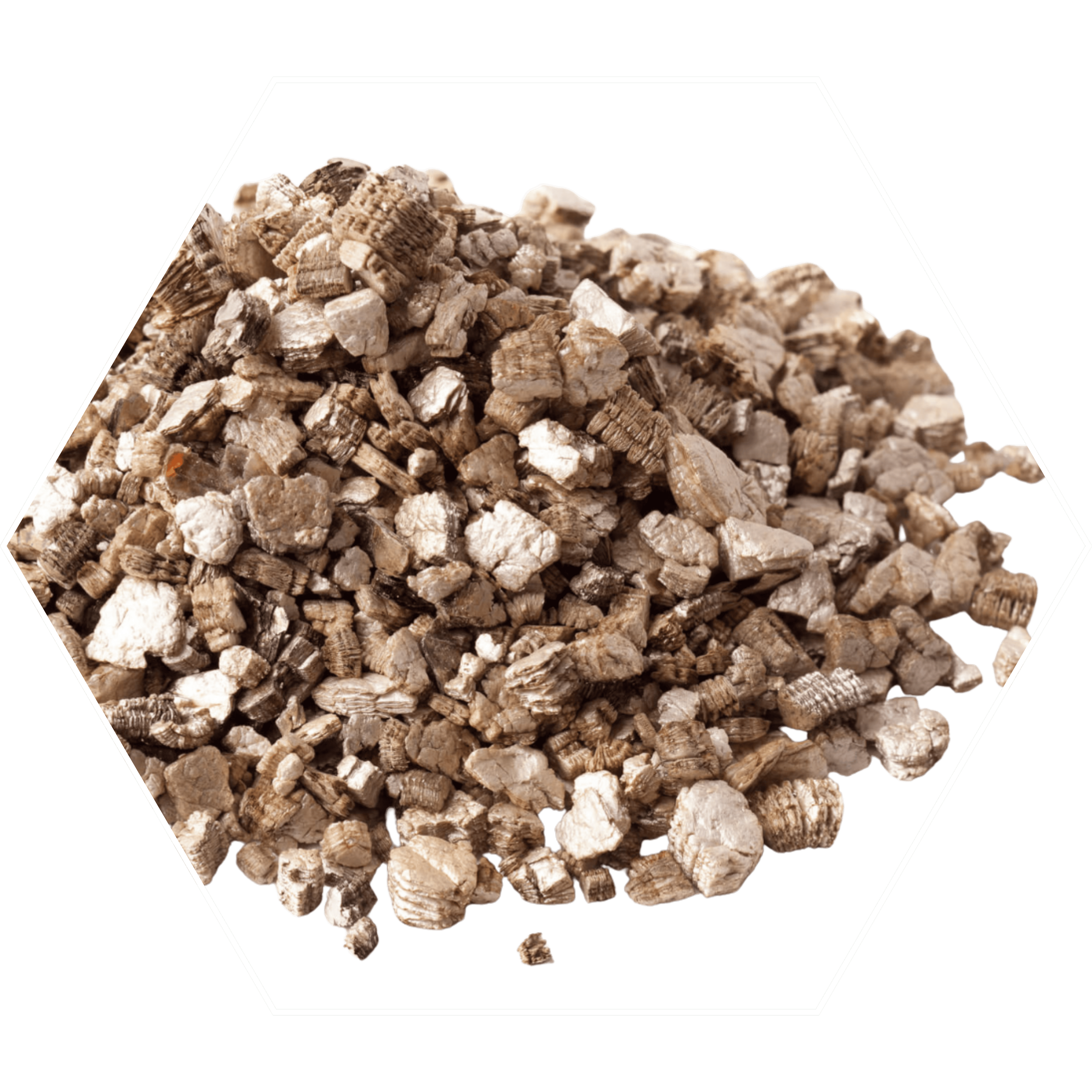
Vermiculite
Expanded mica mineral. Common seed mix component.
Properties
Water holding: Very high
CEC: High
Aeration: Moderate
Benefits: Holds nutrients; Excellent for germination
Drawbacks: Too wet alone
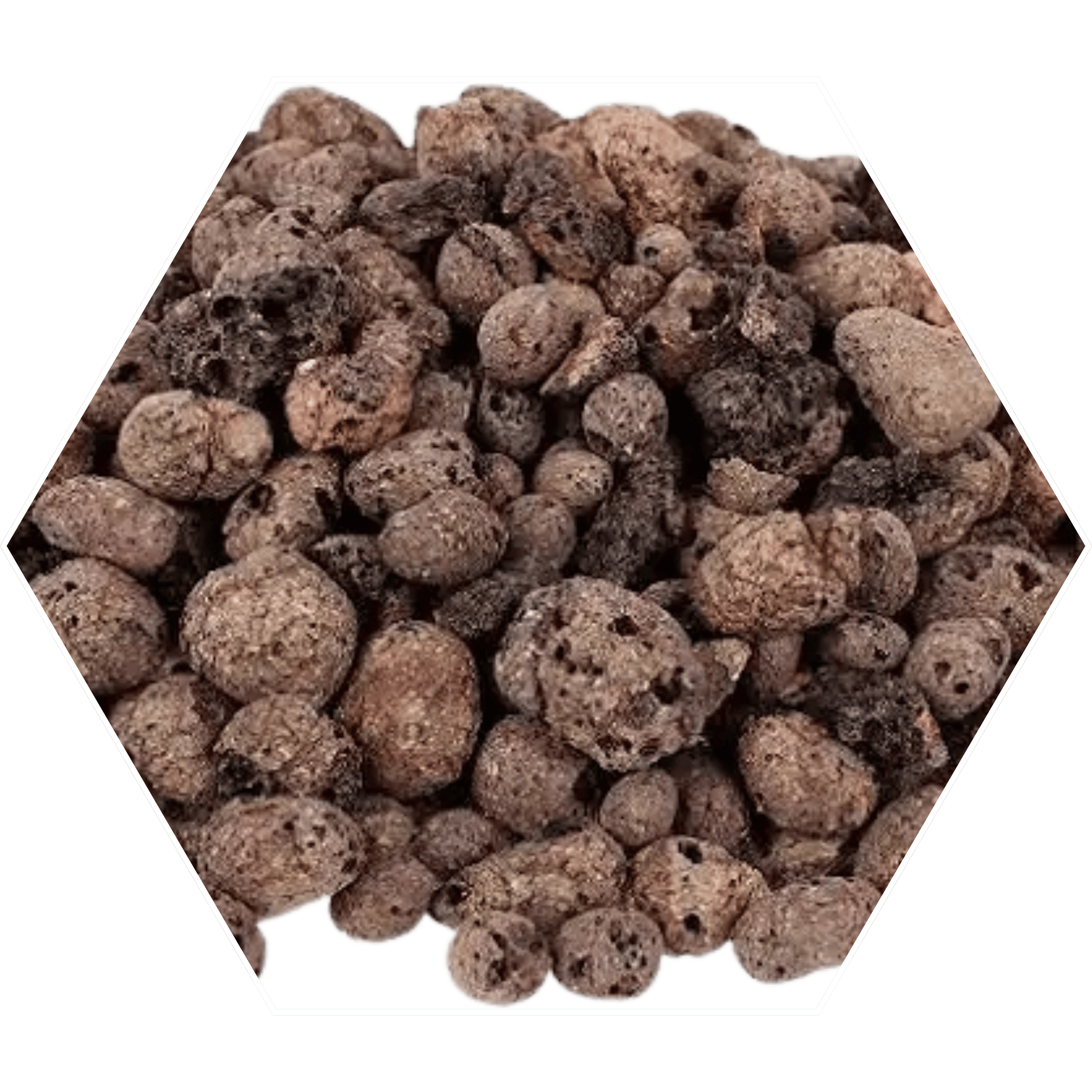
LECA (Lightweight Expanded Clay Aggregate)
Clay balls fired at high temperature.
Properties
Aeration: Excellent
Drainage: Excellent
Water holding: Low–moderate
CEC: Low
Benefits: Reusable; Rot-resistant; Passive/Semi-hydro compatible
Drawbacks: Requires fertiliser control; Roots adapt slowly
Plants: Passive/Semi-hydro houseplants
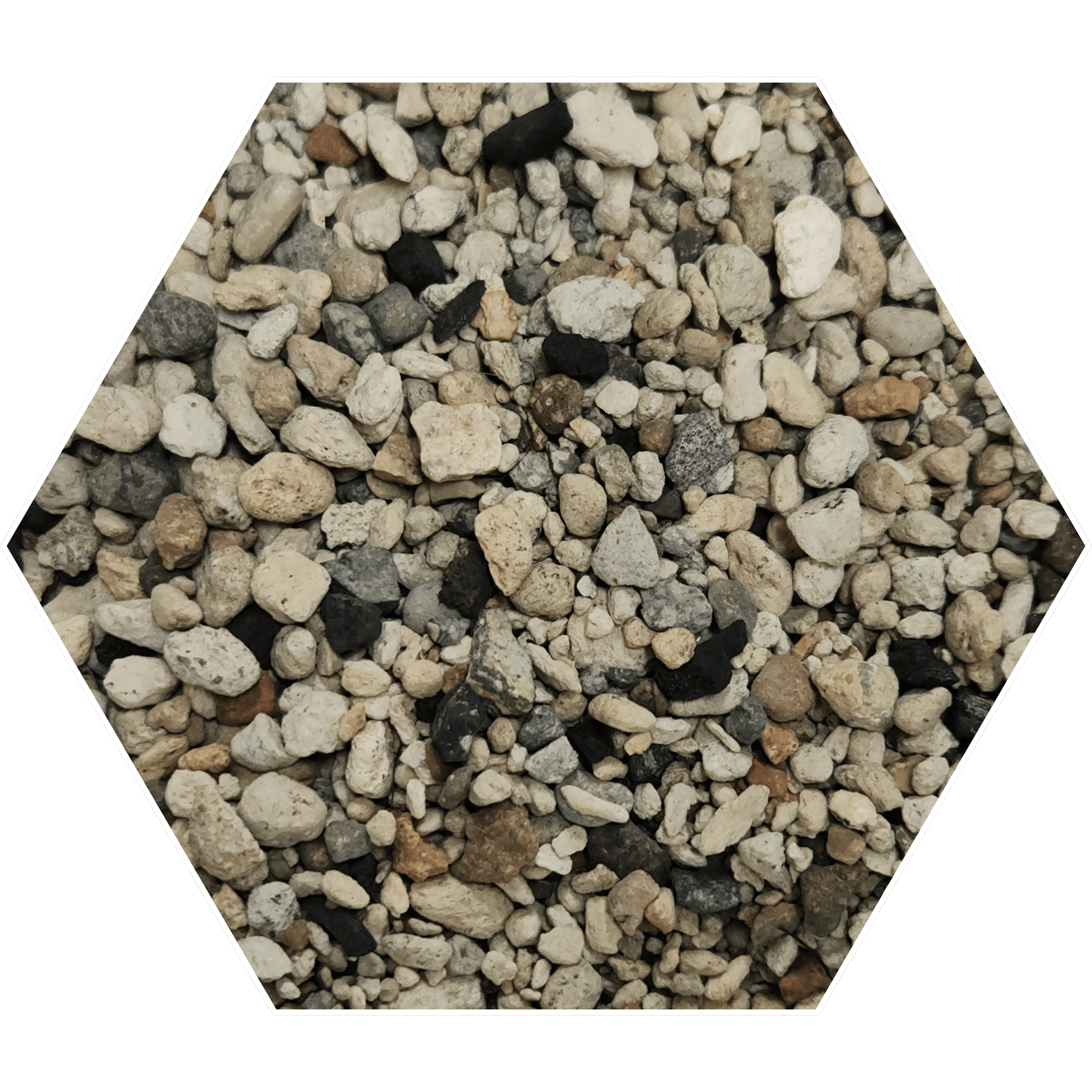
Pumice
Porous volcanic rock.
Properties
Aeration: Excellent
Drainage: Excellent
CEC: Low–moderate
Heavier than perlite → doesn’t float.
Ideal for: Succulents; Bonsai; plants needing airflow
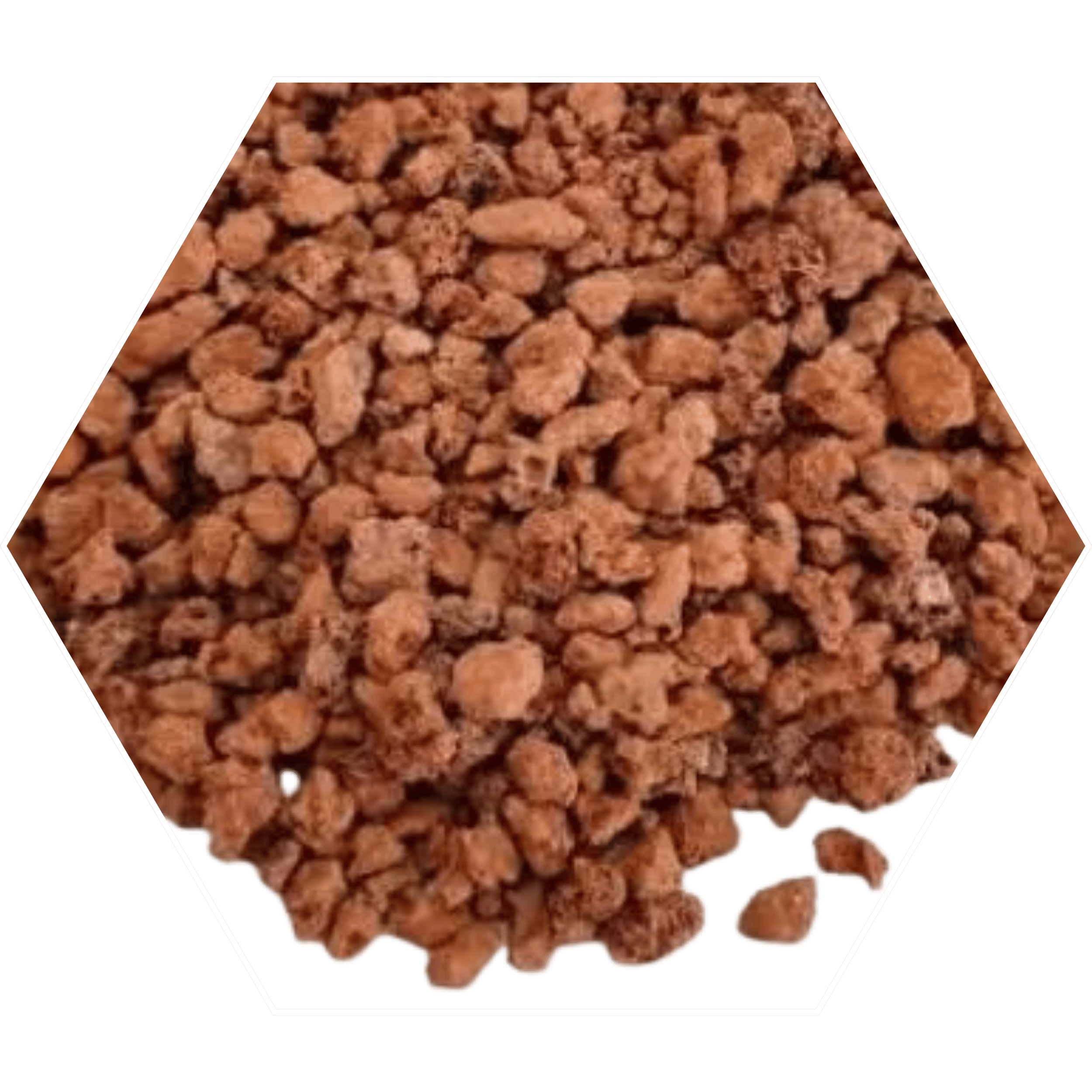
Scoria (Lava Rock)
Similar to pumice but denser. Used heavily in succulent mixes.
Benefits: Long-lasting structure; Excellent drainage
Drawbacks: Heavy; Lower water retention
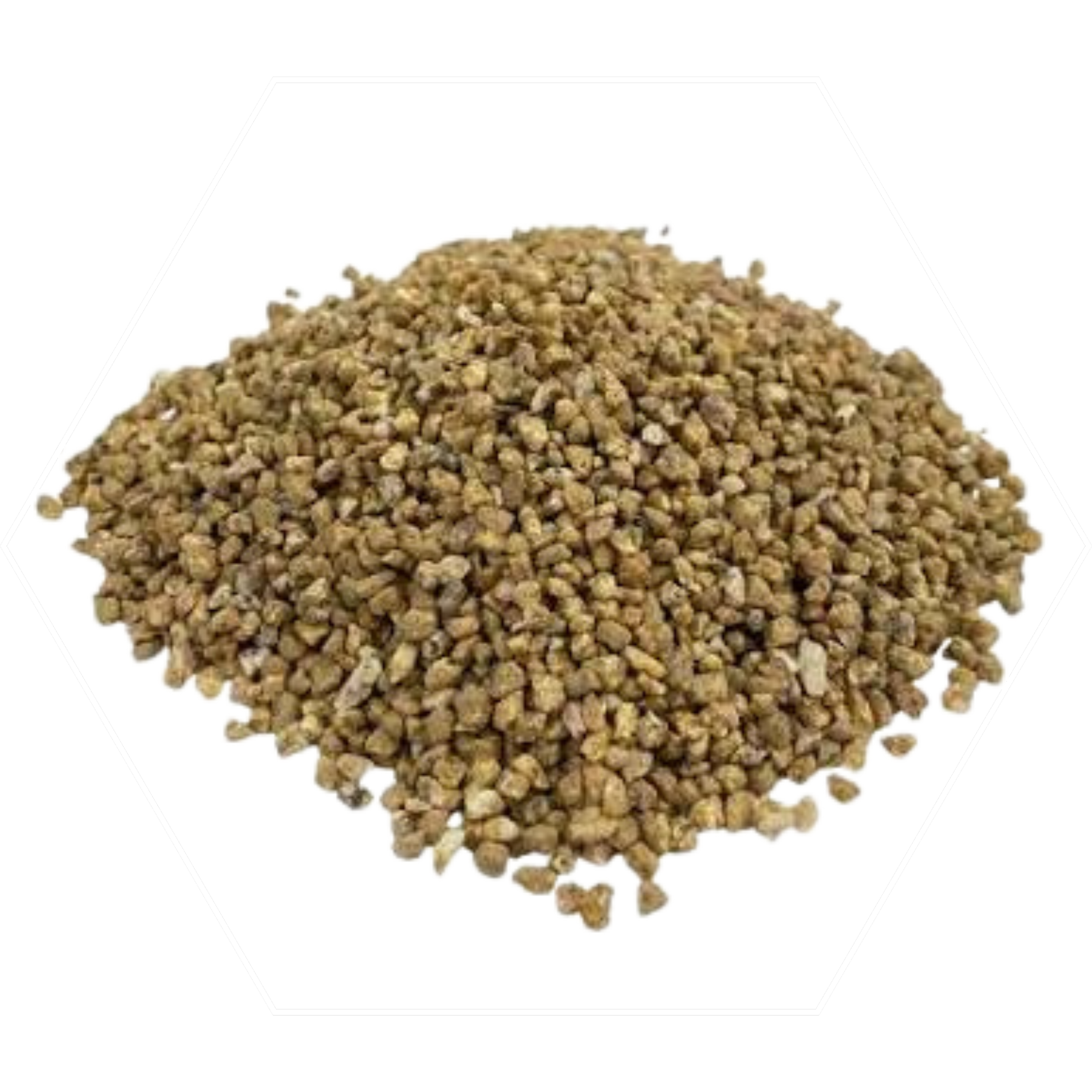
Maifan Stone
Mineral-rich silicate rock used in Asian horticulture. Acts more like a trace mineral reservoir than structure. A natural water filtration media.
Properties
Moderate CEC
Mineral buffering
Slow nutrient exchange
Uses: Bonsai; High-value ornamental mixes
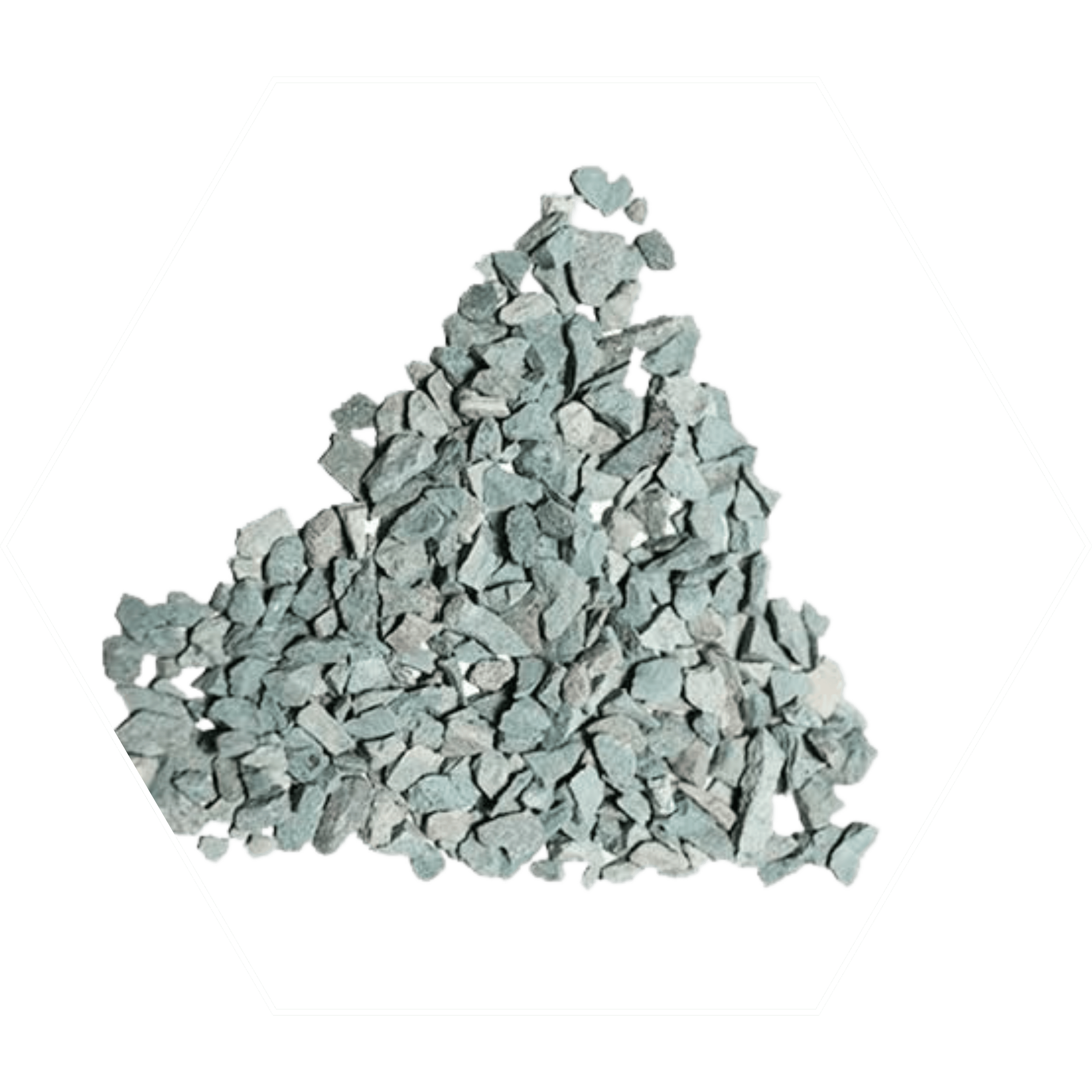
Zeolite
A crystalline aluminosilicate mineral.
Properties
Very high CEC
Nutrient adsorption
Zeolite captures ammonium and releases it slowly, improving fertiliser efficiency (widely used in soil conditioning). Absorbs odours effectively.
Benefits: Nutrient buffer; Stabilises fertilisation
Drawbacks: Expensive
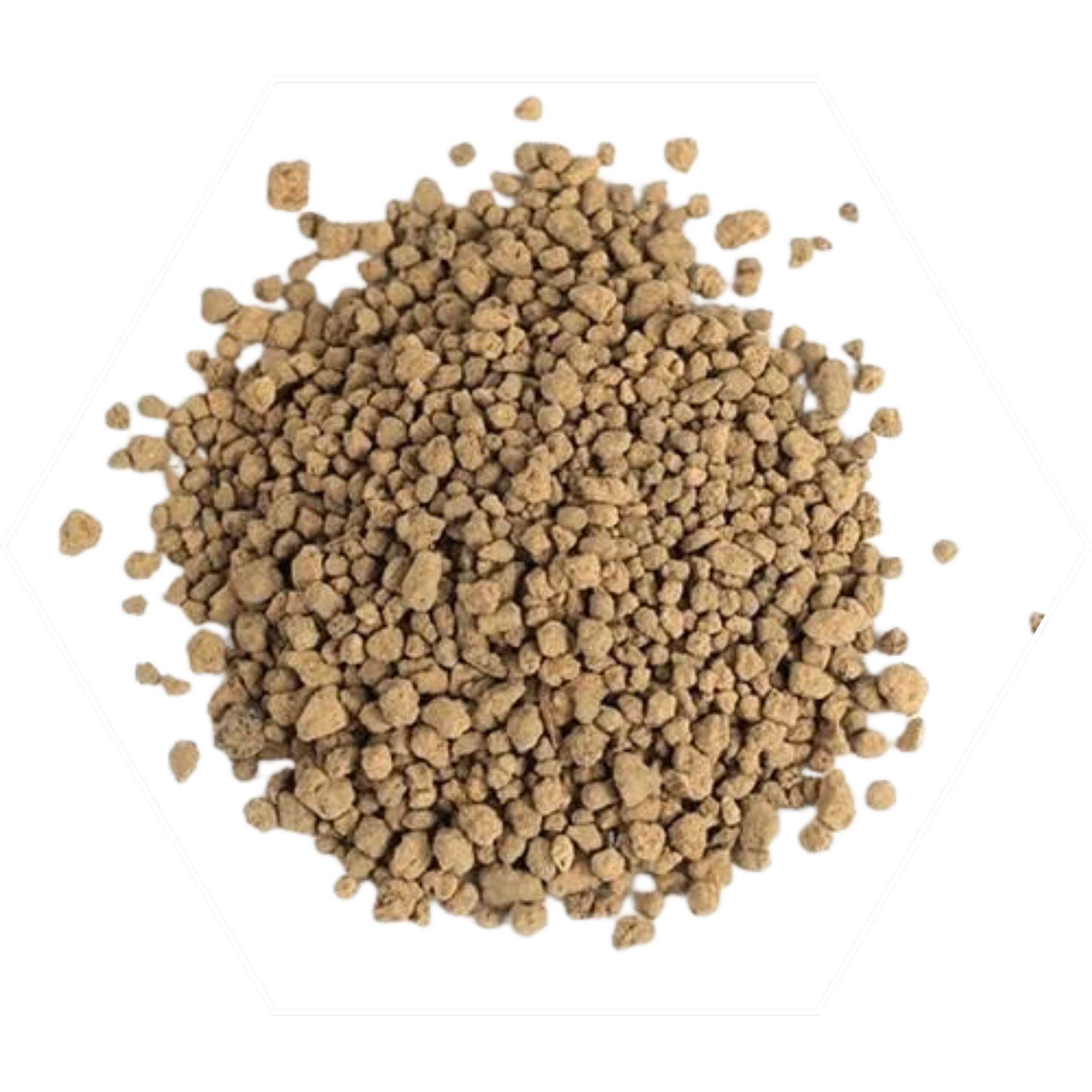
Akadama
Japanese fired clay used in bonsai.
Properties
Moderate CEC
Good drainage
Gradual breakdown
Balances water and air extremely well.
Drawbacks: Breaks down after years; Costly
Plants: Bonsai; Rare collectors’ plants
Ready-Made Store Potting Mix
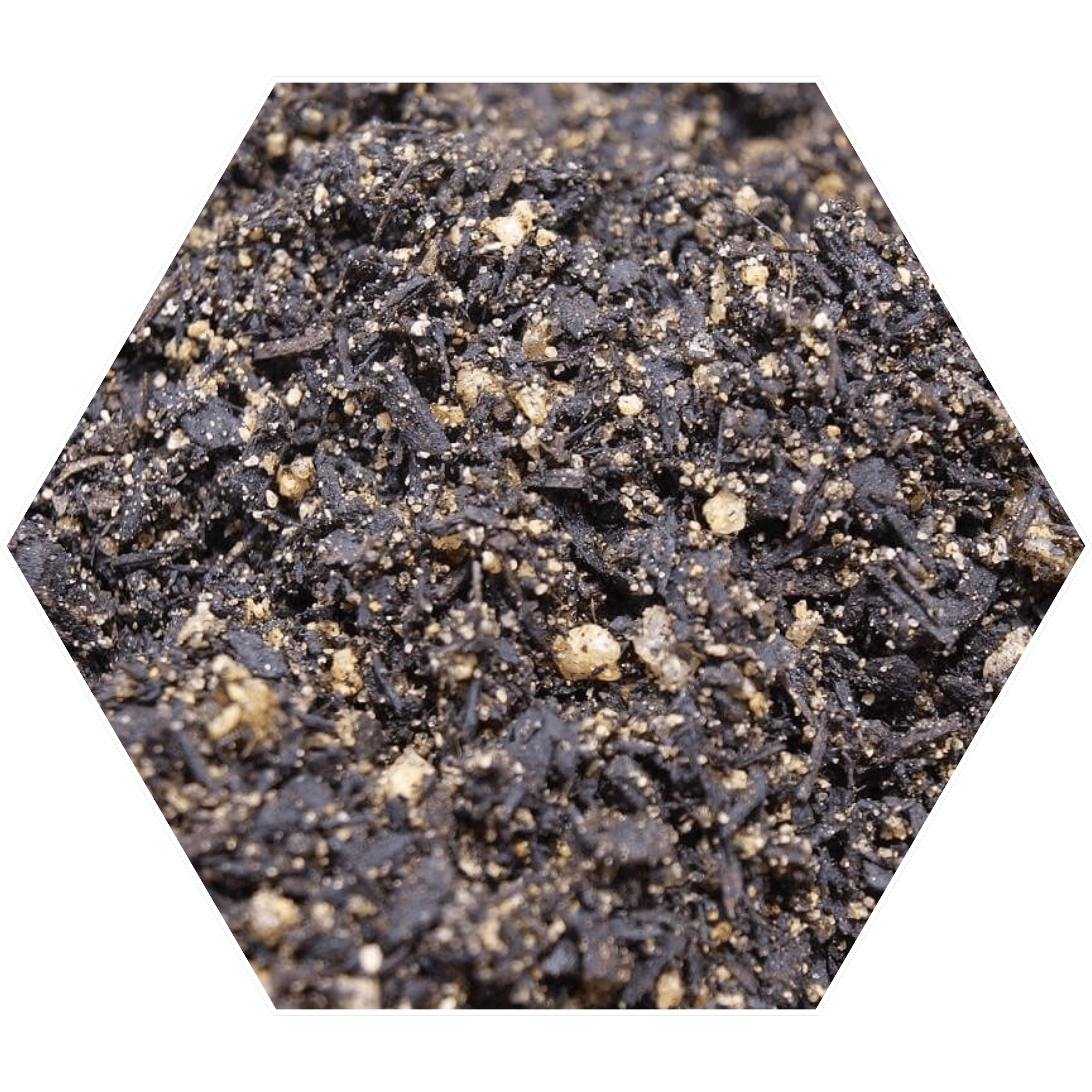
Usually contains:
Composted bark
Peat or coir
Sand/perlite
Wetting agents
Fertiliser
Designed to provide balanced aeration and moisture with pasteurisation for pathogen control.
Benefits: Convenient; Nutritionally charged
Drawbacks: Often too water-retentive indoors; Variable quality
Best Media for Propagation & Germination
Cuttings (Roots first, leaves later)
Best options:
Perlite + coir (excellent aeration)
Sphagnum moss
Vermiculite blends
Why? Cuttings need oxygen more than nutrients.
Seed Raising
Ideal traits: Fine texture; Sterile; Even moisture
Best mixes:
Vermiculite + sand
Coco peat + perlite
Peat-based seed mix
Vermiculite excels due to water retention and nutrient holding.
Why Mixing Media Works: The Physics
A good substrate combines:
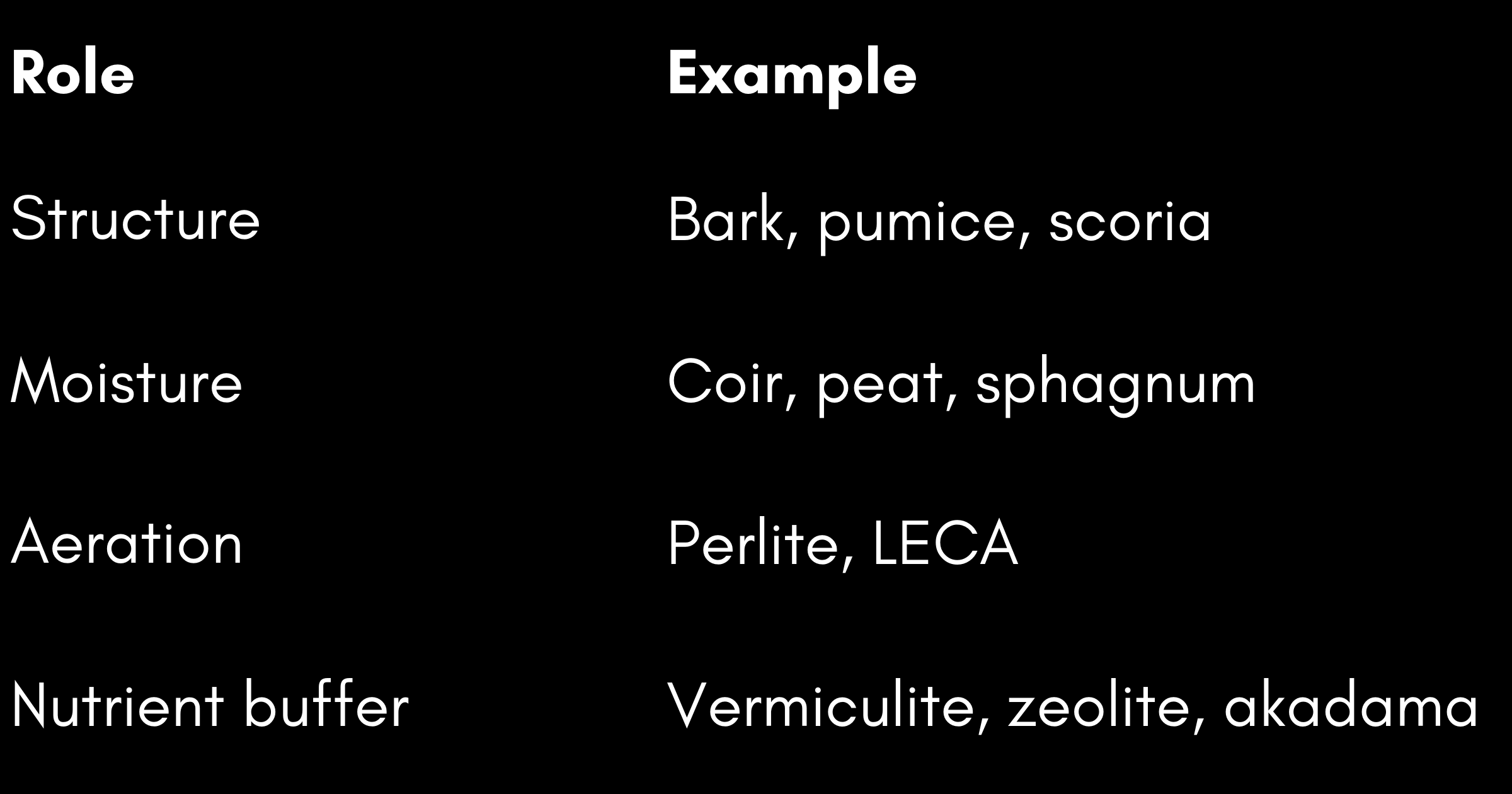
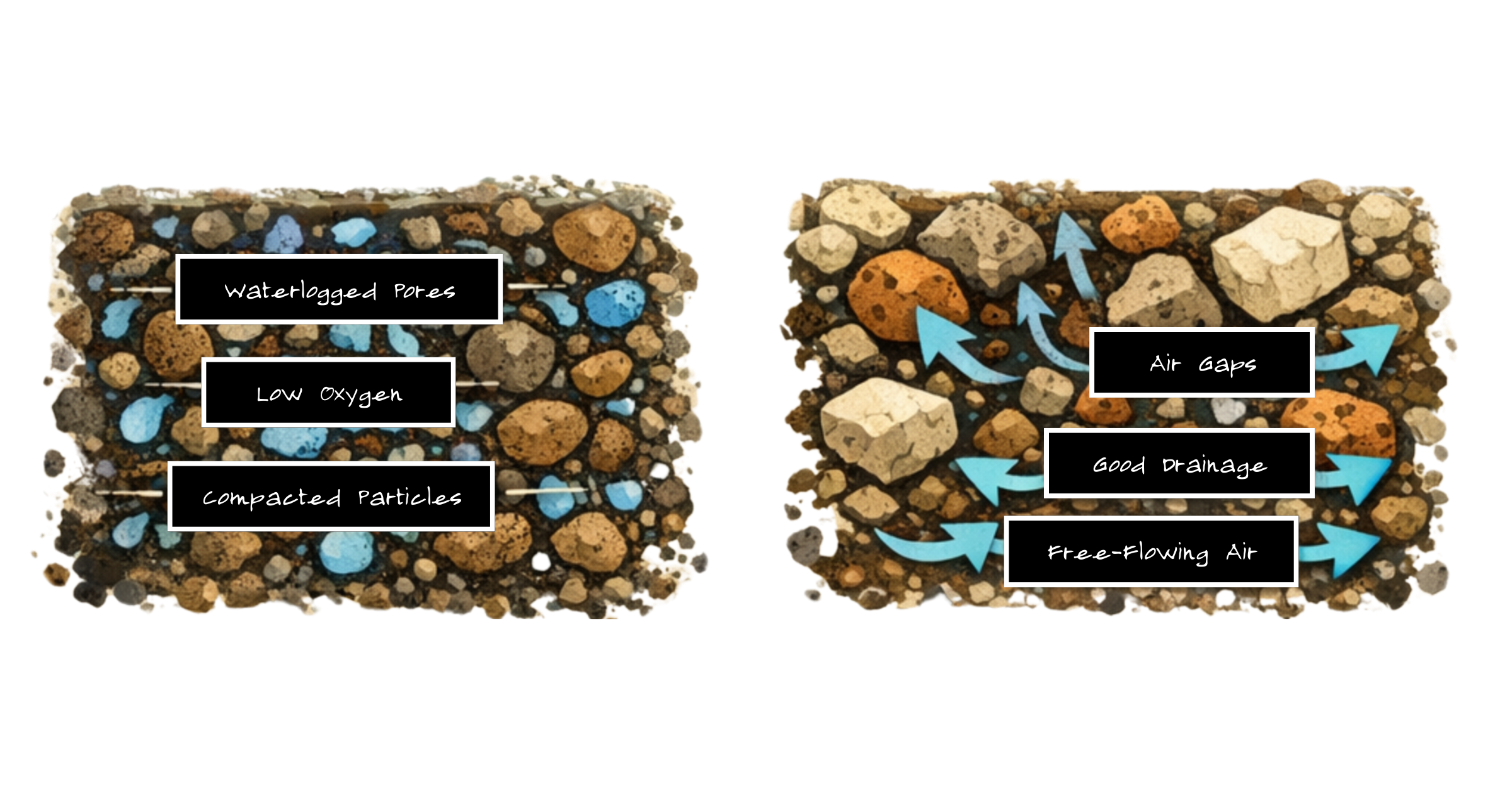
Mixing works because small particles fill gaps between large ones, balancing water and air - not averaging properties linearly.
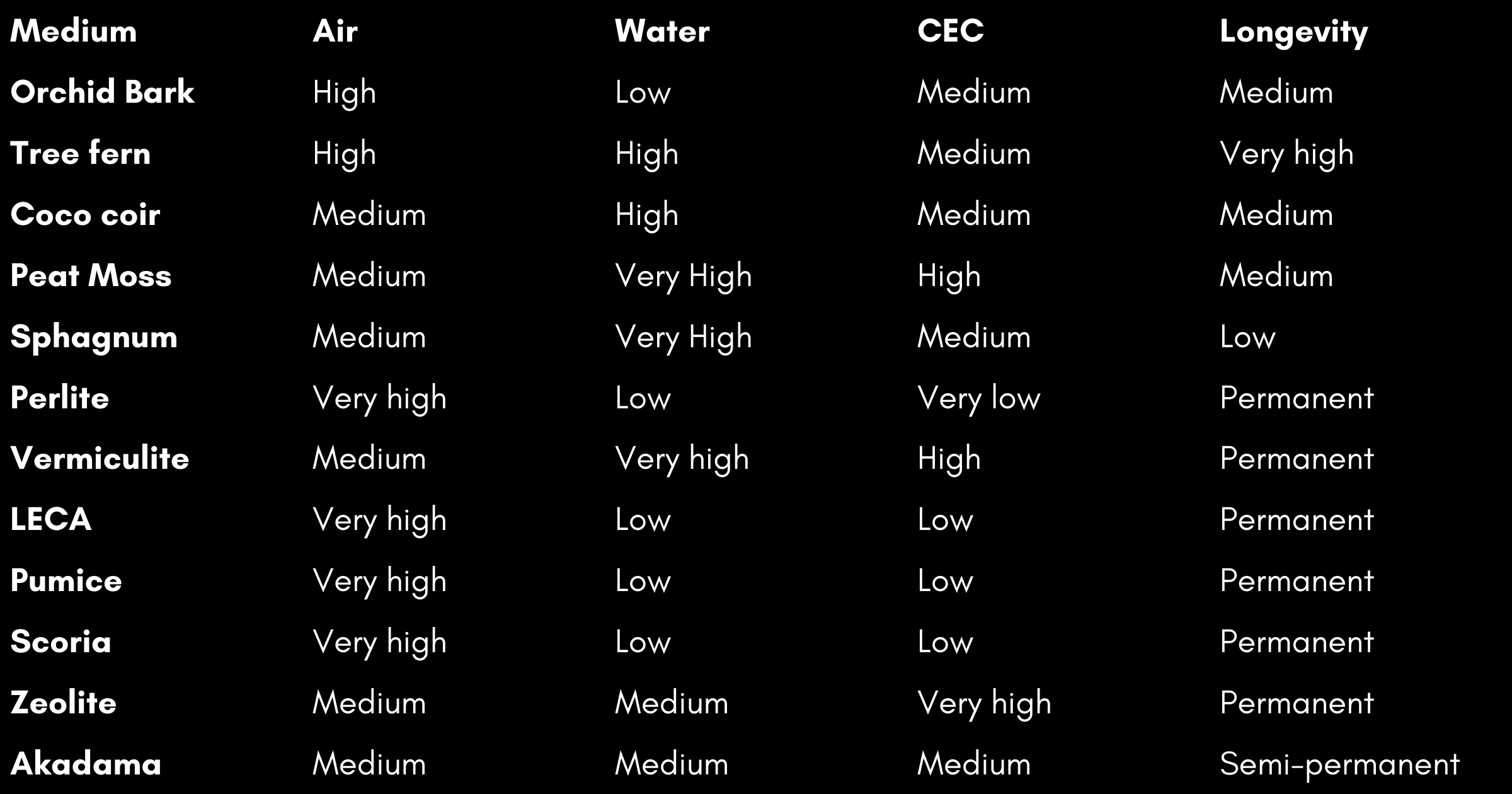
Quick Comparison Table
The Biggest Myth About Potting Mix
Plants don’t want moisture. They want oxygen with access to moisture. Root death almost always comes from lack of air, not lack of water. That’s why experienced growers slowly move toward chunkier, mineral-heavy mixes as they gain confidence. If creating your own custom plant-specific mixes is too daunting or feels expensive, make sure to check out our Premium Custom Blends HERE, formulated for many different ornamentals.
In our next article, we’ll cover the differences between the best mixes for beginners and collectors, and why many beginners fail from transitioning to custom mixes too early.