
Navigating TPP Biosecurity Changes & Our Path Forward
What is TPP?
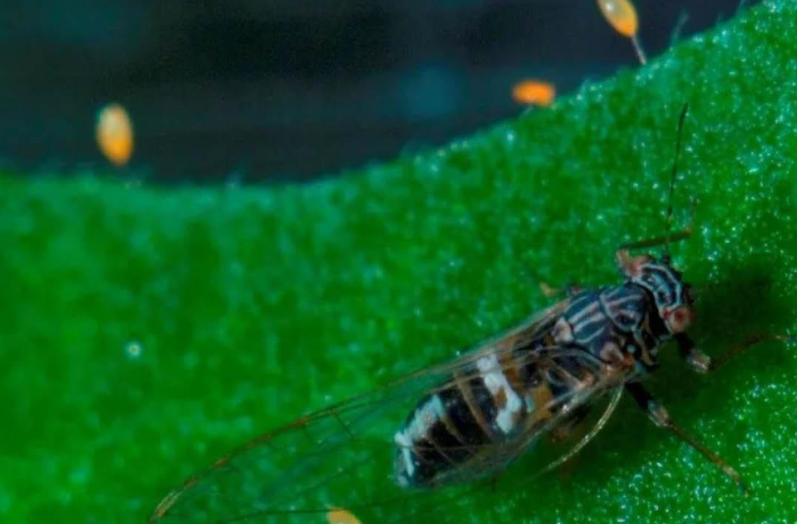
The Tomato Potato Psyllid (TPP) has become one of the most closely watched agricultural pests in Australia, and for good reason. Originally native to North and Central America, TPP was first detected in Western Australia in 2017. From there, despite strong containment efforts, it was detected in Victoria in 2024 on the Bellarine Peninsula. More recently, a confirmed case in the north of Melbourne in 2025 has prompted a renewed and tightened biosecurity response. In order to protect Australia’s agricultural systems, particularly food crops such as tomatoes and potatoes, new restrictions have been placed on all plant material leaving Victoria, regardless of whether those plants are known hosts of the pest.
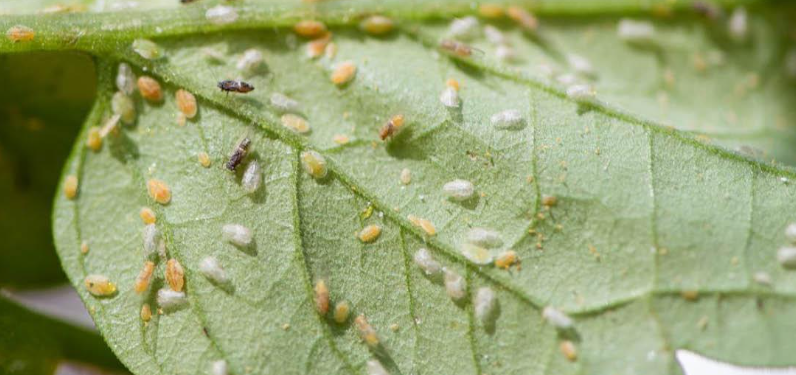
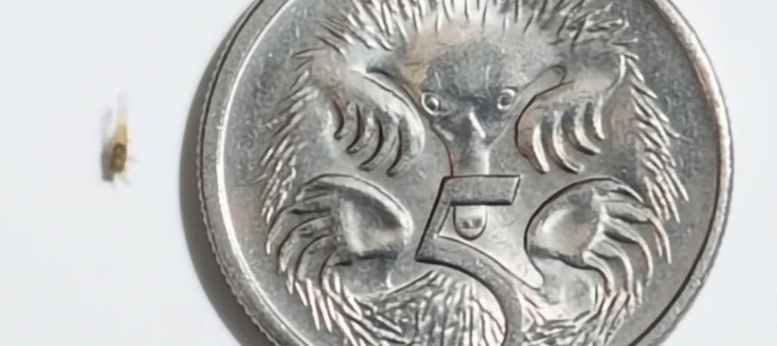
TPP itself is a small sap-sucking insect, which can be mistaken for scale, aphids, whitefly or lacewing (in the case of egg sacks), but its real threat lies in what it can carry. Internationally, TPP is known to vector a serious plant pathogen (Candidatus Liberibacter solanacearum), which causes Zebra Chip disease in potatoes and severe yield losses in other crops. While this pathogen is not yet known to be present in Australia, its potential introduction poses a major risk to food security. This is why authorities have adopted a precautionary, Industry wide approach. Acting before the worst-case scenario occurs.
Protecting Australian agriculture is something we strongly support. Outbreaks like this don’t just affect growers, they ripple through supply chains, increasing production costs and ultimately impacting food availability and pricing for everyone. Strong biosecurity is essential for long term resilience.
That said, these changes don’t affect all sectors equally.
How does this affect nurseries and hobbyists?
As a nursery specialising in Aroids, Hoya, and Begonia (plants not recognised as hosts of TPP) the blanket classification to all nursery stock as potential carriers has added a layer of complexity to what was once a straightforward process. Interstate shipping has become more regulated, more technical, and far more demanding behind the scenes.
To continue operating responsibly, nurseries are now required to work under approved plant health assurance schemes or become accredited Plant Health Officers in accordance with PS-57, PS-59, PS-62, PS-66, ICA-04, ICA-55 and/or ICA-62 (feeling overwhelmed yet?). This process is not simple. It involves extensive training, detailed record-keeping, strict treatment protocols, audits, and ongoing compliance. It’s time-consuming, complex, and often overwhelming, especially for small, specialist nurseries. Each receiving state has different requirements for different ornamental plant material - yes, even corms and chonks. Any plants being shipped out of Victoria must be accompanied by paperwork and correct labelling, along with compliant packaging, or there is a risk of the parcels being seized and destroyed, and fines issued. This applies to businesses and hobbyists alike.
We chose to do it anyway.
We are now a fully accredited nursery, and we’ve put in the hard yards so you don’t have to. Our accreditation allows us to legally, safely, and transparently ship plants interstate while meeting current biosecurity requirements. More importantly, it allows us to take the stress out of the process for our customers. Find out about our Shipping & Biosecurity process for your state HERE.
When you order plants from anywhere, including Facebook, Instagram, Ebay or via a website, always ask Victorian and Western Australian sellers if your plants will come with an accredited Plant Health Assurance Certificate (PHAC). If they cannot supply one, do the right thing and don’t purchase. Our farmers and collectors in the rest of Australia are counting on you.
How we want to help moving forward!
This is where our concierge-style shipping service comes in.
Our goal is to make interstate plant purchases feel easy again. We manage the compliance, timing, documentation, and treatment requirements behind the scenes, guiding your order through the system so it arrives safely and legally, without you needing to navigate biosecurity rules yourself. You can find out more about our Plant Concierge Service HERE.
While these changes have challenged the nursery industry, they’ve also reinforced something we care deeply about - doing things properly. Growing clean plants, protecting Australia’s agriculture, and supporting a diverse and responsible plant community can all coexist. It just requires care, effort, and adaptation.
We’re grateful to everyone who’s supported us through this transition. Your patience allows us to keep doing what we love. Growing exceptional plants, sharing rare and cultivated species, and ensuring the indoor plant community continues to thrive in Victoria and across Australia.
Image credits: [cover photo] Horticultural Media Association Australia; [article photos] Agriculture Victoria
Further reading: Agriculture Victoria information on TPP